
Enhanced Infection Prevention Needed in Health Care Facilities Amid Growing Pathogen Threats

April 19, 2024 - While a new patient survey, revealed more than half of the U.S. adult population (56%) is concerned about getting sick or infected while being treated in a hospital or medical clinic, roughly two-thirds (68%) are concerned about hospital cleanliness, and 76% shared that risk of infection is a factor when selecting a hospital for treatment.
Health systems are dealing with a growing bench of MDROs that often incubate within their facilities. Hospitals and other medical facilities must improve their infection prevention standards and communicate their levels of effectiveness to staff, patients, and loved ones.
.
Contribution of the patient microbiome to surgical site infection
April 2, 2024 -For most individuals, the bacteria responsible for the surgical site infection, along with any antibiotic resistance genes circumventing the chosen prophylactic antibiotic, were likely already present on the patient’s own skin before the first incision.
.
Decolonization effort linked to fewer infections, deaths from multidrug-resistant pathogens
April 2, 2024 - A decolonization program implemented at a network of healthcare facilities in southern California significantly reduced the prevalence of multidrug-resistant organisms (MDROs) on patients' skin.
The authors of the Centers for Disease Control and Prevention (CDC)-funded study estimate that over the 25 months of the intervention, the decolonization strategy prevented 800 hospitalizations and 60 deaths.
.
PAHO briefs health professionals on measles
as cases increase in the Americas
March 21, 2024 - As of March 16, 2024, a total of 92 confirmed cases have been reported in seven countries of the Americas region - the vast majority in the United States and Canada, but representing a 28% increase compared to the total number of cases reported in 2023.
PAHO advisors highlighted the importance of implementing essential prevention and control measures. This includes swift and intensified vaccination in high-risk areas, enhanced epidemiological surveillance, including active case searches in the field and a focus on areas such as border municipalities, and a rapid response to outbreaks, requiring trained teams and protocols to identify and manage cases promptly.
Landmark study links microplastics to serious health problems
March 11, 2024 -
Microplastics are in our blood, lungs, the air we breathe. A study published March 6th, in the New England Journal of Medicine, tracked 257 people undergoing a surgical procedure to remove plaque from an artery in the neck. The research found that 60% had microplastics or even smaller nanoplastics in a main artery.
The patients who had microplastics are 4.5 times more likely to experience a heart attach, a stroke or death in approximately 34 months after the surgery, than those who were plastic-free.
The researchers put the excised plaques under an electron microscope. They saw jagged blobs — evidence of microplastics — intermingled with cells and other waste products in samples from 150 of the participants.
Chemical analyses revealed that the bulk of the particles were composed of either polyethylene, which is often found in food packaging, shopping bags and medical tubing, or polyvinyl chloride, known more commonly as PVC or
Measles on the Rise Again Despite Being Preventable
March 8 2024 - The U.S. has seen a notable increase in measles activity in 2024. As of March 7, the CDC has confirmed 45 measles cases nationwide, up from 41 cases a week prior. In all of 2023, the CDC reported just 58 total cases.
Health officials have advised increased vigilance, as the virus is highly contagious; so contagious, in fact, that 90% of unvaccinated people who are exposed end up contracting it. Additionally, 1 in 5 of those people end up hospitalized, according to the CDC.
PLASTIC WASTE DEMANDS IMMEDIATE ACTION
Jan. 11, 2023 - A new study revealed bottled water can contain hundreds of thousands of nanoplastics, a number that far exceeds previous estimates.
Nanoplastics can potentially enter the human body and may cause inflammatory responses or release toxic substances.
In summary, nanoplastics represent a growing environmental hazard. Understanding their behavior, impacts, and methods to mitigate their presence is vital for preserving ecosystems and safeguarding human health.
It’s a global challenge that demands immediate and sustained action from individuals, industries, and governments worldwide.
The study is published in the journal Proceedings of the National Academy of Sciences.
WHAT IF HOSPITALS MADE THE SWITCH TO REUSE PPE?
In 6 months, providing a new disposable respirator for each healthcare worker after each patient encounter would result in 185.2 million pounds of waste, according to BMJ.
If Hospitals made the switch to facemasks disinfected in the UV Box or the UV Cube, the results would be an 80% or 37.04 million pound reduction of waste!
Study confirms the high effectiveness of UVC radiation
in eliminating bacteria including E.coli and Candida auris
Dec. 4, 2023 - A new study study confirms the high effectiveness of UV-C radiation in reducing selected clinical bacteria strains including E.coli, of special epidemiological importance, as well as reducing C. auris in laboratory conditions and in clinical wards.
UVC disinfection carried out after cleaning led to a reduction in the number of bacterial colonies of approx. 96% to 100%.
The U.S. is headed for a ‘syndemic’ this winter—
and experts warn we’re not prepared
Dec. 1, 2023 - Raj Rajnarayanan, assistant dean of research and associate professor at the New York Institute of Technology campus in Jonesboro, Ark., told Fortune that the U.S. is a “sitting duck” in the face of a “syndemic” winter.
It’s a term he prefers to “tripledemic,” as it acknowledges the impact of more than three pathogens on the healthcare system, and the need for policies to address the phenomenon, in addition to medical interventions.
“Strained hospital capacities, workforce exhaustion, burnout, a lack of effective therapeutic tools, poor communication, a lack of compliance [with COVID precautions], a lack of continuity planning, and the pervasive influence of social determinants of health” only make the nation’s delicate health infrastructure more fragile, he said.
New Study: UV Light Achieved Disinfection of E-coli on Non-Sterilizable Objects in Dental Practices
November 13, 2023 - Dentistry is one of the healthcare professions with the highest potential for contamination with patients’ fluids and for transmitting healthcare-associated infections (HAIs).
This study tested a UV light enclosures' disinfection efficacy for four dental-related objects, including silicone putty impressions, stone casts, acrylic denture bases, and indelible pencils as compared to the current practice of spraying a disincentive solution.
These dental objects widely exchanged in dental settings, pose a significant cross-contamination risk among patients, dentists, and lab technicians.
This studies' results demonstrate that the UV irradiation group (UVG) achieved a marked and consistent complete eradication of E. coli, as evidenced by a colony-forming unit (CFU) count of 0 across all materials with a 2.5 minute disinfection cycle.
Discover the Suprising Lesson
About How Infection Spreads from the Pandemic
October 29, 2023 - It turns out, viruses like the one that causes COVID-19 can travel through the air much farther than six feet. So public health advice focusing on social distancing, handwashing, and masking wasn't enough. Air quality scientists say, the original sin of the pandemic was the failure to recognize airborne transmission.
Professor Joe Allen of Harvard's T.H. Chan School of Public Health believes the rapid spread of COVID in early 2020 was preventable.
Pharmacy and Antimicrobial Stewardship: Addressing the Global Challenge of Resistance
October 2, 2023 (ContagionLive) Antimicrobial stewardship programs, led by clinical pharmacists, are essential in combatting antibiotic misuse and the rise of multidrug-resistant organisms (MDROs).
A significant increase in global antibiotic consumption, which contributes to the growing issue of antibiotic resistance, poses a serious threat to patient care and calls for a multidisciplinary approach involving clinical pharmacists, microbiologists, and public health experts.
According to a Report of the Global Research on Antimicrobial Resistance (GRAM) Project, covering 204 countries from 2000 to 2018, the consumption of antibiotics has increased by 46 percent. Statistics show that these rates are still increasing significantly worldwide.
Clinical pharmacists play a pivotal role in medication management, drug use evaluation, and optimizing antimicrobial therapy.
Health Workers Warn Loosening Mask Advice in Hospitals Would Harm Patients and Providers
September 18, 2023 - (KFF Health News)
Nurses, researchers, and workplace safety officers worry new guidelines from the Centers for Disease Control and Prevention might reduce protection against the coronavirus and other airborne pathogens in hospitals.
A CDC advisory committee has been updating its 2007 standards for infection control in hospitals this year. Many health care professionals and scientists expressed outrage after the group released a draft of its proposals in June.
The draft controversially concluded that N95 face masks are equivalent to looser, surgical face masks in certain settings — and that doctors and nurses need to wear only surgical masks when treating patients infected by “common, endemic” viruses, like those that cause the seasonal flu.
A pathogen’s mode of spreading isn’t affected by how common it is; common viruses can still harm vulnerable populations; and many viruses, including SARS-CoV-2, can travel significant distances on microscopic droplets suspended in the air.
“Large COVID outbreaks in prisons and long-term health care facilities have demonstrated that the behavior of infectious aerosols is not easily classified, and these aerosols are not easily confined,” wrote the deputy chief of health at Cal/OSHA, Eric Berg.
CDC’S review of scaling back on N95 masks could have repercussions on emergency stockpiles, rendering doctors and nurses as vulnerable as they were in 2020 when mask shortages fueled infections. More than 3,600 health workers died in the first year of the pandemic in the United States.
CDC expects 'tripledemic' hospitalizations
Sept 14 (Reuters) - The U.S. Centers for Disease Control and Prevention (CDC) said on Thursday it expects the total number of hospitalizations from COVID-19, respiratory syncytial virus infections and flu this year to be similar to last year, higher than pre-pandemic levels.
The government health agency also said it expects flu and RSV infections to increase over the fall and winter seasons.
Vaccines for all three major respiratory viruses – COVID-19, flu, and RSV – will be available this fall, the CDC said.
Higher levels of vaccination across the population will help reduce the number of hospitalizations and risk of straining the country's hospitals, CDC added.
The CDC on Tuesday signed off on the broad use of updated COVID-19 vaccines made by Pfizer (PFE.N) and partner BioNTech SE (22UAy.DE) as well as Moderna (MRNA.O) - covering ages 6 months and upward - as the country prepares to start a vaccination campaign within days.
Update from AMA: Eris and Pirola COVID variants,
plus CDC flesh-eating bacteria warning update
September 6, 2023 - AMA Vice President of Science, Medicine and Public Health Andrea Garcia, JD, MPH, analyzes the increase in COVID hospitalizations and shares the latest news.
Here are a few key takeaways from the interview:
Andrea Garcia said, "we've nearly an 87% increase over the past month in COVID hospitalizations". The CDC reported, based on some modeling forecasts, that it expects anywhere from 1,700 to 9,700 daily COVID hospital admissions by the end of September.
EG.5, or Eris, is continuing to spread quickly. And as a reminder, EG.5 became that dominant variant here in the U.S. in August. It has been classified as a variant of interest by the World Health Organization. But, according to the New York Times, experts believe that EG.5 does not pose a serius threat.
Pirola or BA.2.86. It's also spreading and it's now tied to about 29 cases worldwide. However, experts expect that is likely an undercount. In the U.S., it's now identified in five states, so Michigan, New York, Virginia, as well as Ohio and Texas.
And scientists continue to be a little more concerned about this one, even though that case count is still very low. And that's because there are so many mutations, and many of them are in the spike protein.
The species of Vibrio, that is the subject of this particular alert is known to cause life-threatening infections. And these cases are usually the result of being exposed to bacteria in warm coastal waters where it thrives. But the infection can also be obtained through contact with contaminated shellfish, such as oysters. Several East Coast states including Connecticut, New York, North Carolina have reported severe and fatal V.vulnificus infections.
CDC Assesses Risk From BA.2.86, Highly Mutated COVID-19 Variant
August 30, 2023 - According to a published brief from JAMA Network today, updated COVID-19 vaccines targeting the XBB.1.5 variant are expected to be effective against BA.2.86—a highly mutated new SARS-CoV-2 variant—for reducing severe disease and hospitalization, according to an August 23rd, US Centers for Disease Control and Prevention (CDC) risk assessment.
The BA.2.86 variant has more than 35 genetic differences from XBB.1.5, the dominant variant through most of this year. This genetic leap “is roughly of the same magnitude” as seen between the initial Omicron variant and the Delta variant, the CDC said.
The agency’s assessment noted that compared with other recent circulating SARS-CoV-2 variants, the new variant may be more capable of causing breakthrough infections in people who were previously infected or vaccinated. But the limited number of cases means it’s too soon to know whether it causes more severe COVID-19 or is more transmissible than other variants, the CDC said.
COVID infection risk rises the longer you are exposed
— even for vaccinated people
Rigorous evidence shows that significant contact with a person with SARS-CoV-2 is more likely to lead to transmission than a short encounter.
August 30, 2023 - The Jama Network published a US cohort study showing that hospital-onset SARS-CoV-2 infection rates were lower among hospitals (with greater than 50% of hospitalizations) tested for SARS-CoV-2 infection at admission.
In the initial COVID-19 wave, hospitals located in the US followed stringent infection control and prevention measures and increased personal protective equipment (PPE) usage (e.g., masking for patients and staff members, SARS-CoV-2 testing for asymptomatic individuals, and N95 respirator and eye protector usage) to curtail SARS-CoV-2 transmission.
Based on the study findings, increased SARS-CoV-2 surveillance and COVID-19 prevention efforts are required to decrease in-hospital SARS-CoV-2 transmission, especially in the case of high COVID-19 incidence in the community.
COVID hospitalizations climb 24% this week in a two week period
August 28, 2023 - Hospitalizations have increased 24 percent in a two-week period ending Aug. 12, according to the most recent data from the Centers for Disease Control and Prevention. Wastewater monitoring suggests a recent rise in Covid infections in the West and Northeast. In communities across the United States, outbreaks have occurred in recent weeks at preschools, summer camps and office buildings.
COVID hospitalizations climb 22% this week — and the CDC predicts further increases as new variants spread
August 24, 2023 - The Centers for Disease Control and Prevention is now forecasting an acceleration in new COVID-19 hospitalizations over the coming month, the agency this week, replacing a previous projection that admissions would "remain stable or have an uncertain trend."
The CDC said in a risk assessment published Wednesday, updated vaccines
are expected to "be effective at reducing severe disease and hospitalization" from BA.2.86. But the strain's large number of mutations could also pose new challenges for immunity from prior infections and vaccinations, the agency warns.
It comes as health officials are racing to study a new called BA.2.86, nicknamed "Pirola" on social media, that has begun to emerge around the world.
As our planet warms, scientists worry about infections
July 18, 2023 -According to US World New & Report, Diseases old and new are becoming more prevalent and even cropping up in places they’ve never been found before. Researchers have begun piecing together a patchwork of evidence that illuminates the formidable threat climate-driven diseases currently pose to human health — and the scope of the dangers to come.
Research shows more than half of all the pathogens known to cause disease in humans can be made worse by climate change.
New mechanism discovered for rapid evolution
of multi-drug resistant infections in patients
July 12, 2023 - A research study led by the University of Oxford provides a transformational new insight into how antimicrobial resistance (AMR) emerges in patients with bacterial infections.
The study's findings challenge the traditional view that people are generally infected by a single genetic clone (or 'strain') of pathogenic bacteria, and that resistance to antibiotic treatment evolves because of natural selection for new genetic mutations that occur during the infection. The results suggest that instead patients are commonly co-infected by multiple pathogen clones, with resistance emerging as a result of selection for pre-existing resistant clones, rather than new mutations.
According to the researchers, the findings suggest that interventions aimed at limiting the spread of bacteria between patients (such as improved sanitation and infection control measures) may be a more effective intervention to combat AMR than interventions that aim to prevent new resistance mutations arising during infection, such as drugs that decrease the bacterial mutation rate. This is likely to be especially important in settings where the infection rate is high, such as patients with compromised immunity.
Comorbid CDI Leads to Worse Outcomes
in Patients With COVID-19
June 26, 2023 - The American Journal of Managed Care, (AJMC) reported that Clostridioides difficile infection (CDI) increases the risk of in-hospital mortality and complications among patients with COVID-19, according to a new report.
The authors of the study, published in Infectious Disease Reports, wrote that health care providers need to be aware of the risks associated with concurrent COVID-19 and CDI because COVID-19 has entered an endemic phase and CDI rates increased after the start of the pandemic.
A US bill is reintroduced to become
less dependent on PPE overseas production
Washington - Congressman Matt Cartwright (PA-08), along with representatives Earl L. "Buddy" Carter (R-GA), Darren Soto (D-FL), and Carol Miller (R-WV), reintroduced a bill for America's national security, to make the U.S. pharmaceutical supply chain less dependent on China and other foreign adversaries.
The legislation incentivizes the domestic manufacturing of drugs, API, PPE, and diagnostics to make the U.S. supply chain less dependent on foreign adversaries like China.
The U.S. is dependent on other countries for personal protective equipment (PPE), with approximately 95 percent of surgical masks and 70 percent of tighter-fitting respirators, such as N95 masks, being made overseas.
Prepare for next pandemic, future pathogens
with "even deadlier potential" than COVID
Geneva, May, 23, 2023 - The head of the World Health Organization urged countries across the globe to prepare for the next pandemic, warning that future health emergencies could be even worse than the COVID-19 pandemic.
CDC : 3 Reasons for Concern about C.auris
Contagion. June 6, 2023 - The Centers for Disease Control and Prevention (CDC) lists 3 reasons for concern about the yeast, as follows:
-
It is often multidrug resistant, meaning that it is resistant to multiple antifungal drugs commonly used to treat Candida infections.
-
It is difficult to identify with standard laboratory methods and can be misidentified in labs without specific technology. Misidentification may lead to inappropriate management.
-
It has caused outbreaks in health care settings. For this reason, it is important to quickly identify C auris in a hospitalized patient so health care facilities can take special precautions to stop its spread.3
'
CDC Discusses Candida auris:
Strategies to Help Control and Prevent Outbreaks
Infection Control Today, Published on May 5, 2023 - This is the fourth and final installment on the CDC's interview with the ICT.
There are several things that would help with control of C.Auris.
How C.auris may spread in the environment
April 13, 2023 - In this article the potential pathways through which C.auris can be introduced in the natural environment are introduced and the characteristics that can influence it's survival are examined.
A recently recognized phenonmenon for the transport of human pathogens in the environment is their ability to attach and persist on plastic. C.auris can colonise and persist on plastic surfaces in healthcare settings for more than 28 days. Therefore the ability of C.auris to disseminate within the environment could be a novel transport mechanism for spreading the pathogen. Further research is recommended.
Addressing Infection Prevention
for Candida auris
March 30, 2023 - Meghan Lyman, MD, medical officer, Mycotic Diseases Branch, CDC, and her colleagues coauthored a study, which was published in the Annals of Internal Medicine.
The CDC’s recent warning of the rising incidence rates of the fungal infection is cause for concern, but understanding which patients and settings are at a higher risk is equally as important. The lead author in the CDC’s recent C auris study offers some insights for both medical institutions and the general public.
Everything you need to know about the potentially deadly fungus spreading in the US
March 22, 2023 - Dr. Scott Roberts, associate medical director of infection prevention at Yale School of Medicine, told ABC News that C. auris can spread either from person-to-person transmission or by people coming into contact with contaminated surfaces.
"This spreads person to person and we do not think of really any other fungus as spreading person to person in a meaningful way," he said. "And it's really hard to kill.

Widespread person-to-person outbreaks of
Hepatitis A across the United States
As of January 6, 2023, 37 states have publicly reported 44,768 cases, 27,332 hospitalizations and 421 deaths of Hepatitis A.
In the United States, Hepatitis A is more commonly spread from person to person by eating, drinking or touching something contaminated.
Read More
Law enforcement, firefighters had job with highest COVID death rates in 2020: CDC
The authors only looked at Americans between ages 15 and 64 who were in the paid, civilian workforce, meaning those with unpaid jobs or who serve in the military were not included in the analysis.
Results showed that those with protective service occupations -- including police, firefighters, fire inspectors, correctional officers, private detectives, security guards and probation officers -- had the highest rate at 60.3 deaths per 100,000 workers.
According to federal data, this is twice as high as the overall workers' COVID-19 death rate in 2020, which sits at 28.6 per 100,000.
Police officers, firefighters and other protection service employees had the occupation with the highest death rates from COVID-19 in 2020, new federal data shows.
The report, published by the National Center for Health Statistics -- a branch of the Centers for Disease Control and Prevention, looked at COVID mortality during the first year of the pandemic across 46 states and New York City by profession.


By disinfecting equipment and personal items, The UV Box
can help protect Police,
Firefighters, EMS workers
and their families
COVID Reinfection
Can Be Deadly
Reinfection with COVID-19 significantly increases
the risk of death, hospitalization and other
health problems, according to a study by
researchers with Washington University School
of Medicine in St. Louis.

Buy The UV Box now,
Pay in 3 Installments
No Fees, No Interest
Pay as low as $665 each
Offer expried 12-31-22

Evidence that HAIs
Spread in Community,
Can Complicate Infection Control
Findings are concerning because CRE infections resistant to most antibiotics and are considered a major public health threat.
In the battle against superbugs and healthcare-acquired infections (HAIs), evidence has emerge that the challenge of preventing such infections might be moving beyond the walls of healthcare facilities. Carbapenem-resistant Enterobacterales (CRE) infections are resistant to most antibiotics and are considered a major public health threat by the CDC, because of their capacity to cause difficult-to-treat infections and to spread rapidly.
A new study has identified Community Associated (CA) spread of these infections, suggestion the need for more stringent infection control measures in and outside of the healthcare setting.



AUVS provides mobile device, surface and air disinfection with 3rd party testing confirming kill rates up to 99.9999%

'It's the perfect storm': Capacity issues intensify at children's hospitals amid RSV surge"
Hospitals in at least 23 states told NBC News they are facing capacity issues amid an unseasonably early and severe surge of patients with illnesses such as respiratory syncytial virus and rhinovirus.
Hartford-based Connecticut Children's Medical Center said it is speaking with the Federal Emergency Management Agency and the National Guard about potentially installing a tent outside the facility to house more patients. RSV cases spiked at the hospital in September and continue to rise.
"Why so much in September and October, we don't know," Juan Salazar, MD, the hospital's physician-in-chief, told WTNH News 8. "We have theories. Herd immunity, immune suppression and everyone getting it at the same time, it's the perfect storm at our emergency departments."

Do You Really Have
a Hand Hygiene Program
If You Are Not Disinfecting Your Mobile Devices?
Up to 5 Log Disinfection
in Just 55 Seconds

Evaluation of Effectiveness of UV-C Dose in Contaminated N95 respirator, surgical and cotton masks
The findings suggest that the complete decontamination of masks can be performed effectively and safely in well-planned protocols as strategies to reduce the high consumption and safe disposal of masks in the environment. Read more.

Multi-Center Study Shows Only Half of Providers Perform Optimal Stethoscope Hygiene
Providers were assessed on stethoscope hygiene beliefs and practices. Yet, optimal hygiene increased from 24.4%-55.0%. Read more

FDA warns: Do not use wands that give off unsafe levels of radiation
Certain UV wands marketed for disinfecting household items may expose the user and those nearby to unsafe levels of UV-C radiation that may harm eyes and skin with a few seconds of exposure, the FDA warned. Read more.
Monkeypox found on surfaces in infected patients' hospital rooms
Monkeypox mainly spreads through direct physical contact with an infected animal or person, but as cases worldwide continue to grow rapidly, scientists are researching other potential routes of transmission.
For the study, researchers swabbed the surfaces of rooms being used by two hospitalized monkeypox patients in Germany, including their bathrooms and the adjacent anterooms where workers would change in and out of personal protective equipment (PPE).
According to the researchers, the surfaces the patients directly touched had the highest loads of viral concentration and were primarily found in their bathrooms, particularly on the toilet seats, washbasin, and levers. The virus was also detected on the patients' chairs, the fabrics in their rooms (towels, shirts, pillowcases), and one patient's mobile phone.
.jpg)
Understanding Monkeypox and How Outbreaks Spread
August 4, 2022 - Monkeypox has sparked unprecedented outbreaks worldwide.
Monkeypox spreads by a touch - a lesion or contaminated object -- is the main pathway.
The pathogen enters the body through broken skin, the respiratory tract or the mucous membranes in the eyes, nose, mouth, rectum and anus.
It can also be present in the air in larger respiratory droplets and in suspended skin particles or dust.
.png)
June 29, 2022- Evidence shows that long distance airborne transmission
of SARS-CoV-2 in indoor settings such as restaurants, the workplace
and singing venues can occur due to insufficient air replacement.
.png)
Tests Confirm Mobile Phones
Are Reservoirs of Multidrug-Resistant
Superbugs
A March 2022 original research article that appeared in Frontiers in Cellular and Infection Microbiology, presents findings that confirm mobile phones and environmental surfaces are in fact reservoirs for potentially pathogenic and highly drug-resistant microbes.
-
The presence of these drug-resistant pathogens on mobile phones of healthcare workers poses significant risk of transmission to the patient and highlights the need for stringent infection prevention measures.
-
Furthermore, healthcare workers represent a bridge between the hospital and the community, and can carry these multidrug-resistant pathogens back to their respective communities via contaminated mobile phones.

Impact of environmental hygiene interventions on healthcare-associated infections and patient colonization

In February 2022, Interventions in the healthcare environment study results appeared in Antimicrobial Resistance and Infection Control.
Healthcare-associated infections (HAI) are one of the gravest threats to patient safety worldwide. The importance of the hospital environment has recently been revalued in infection prevention and control. Though the literature is evolving rapidly, many institutions still do not consider healthcare environmental hygiene (HEH) very important for patient safety. The evidence for interventions in the healthcare environment on patient colonization and HAI with multidrug-resistant microorganisms (MDROs) or other epidemiologically relevant pathogens was reviewed.
Of note to UVC...
Evidence showed UVC interventions were significant for reduction in patient colonization and HAI with multidrug-resistant microorganisms (MDROs).
The NEW UV Cube XL
Latest Addition to AUVS’ UV Disinfection Line is Ideal for Student and Staff Protection in Schools, as well as for Companies Bringing Employees Back to the Office

N95 Masks:
- CDC Position
- KR615 Deep Disinfection Procedure
UV could be used to disinfect respirators, according to an article which can be found on the National Center for Biotechnology Information website entitled "Effects of Ultraviolet Germicidal Irradiation (UVGI) on N95 Respirator Filtration Performance and Structural Integrity."

According to the CDC, while disinfection of one-time-use items is not commensurate with current US standards of care, such measures may be considered in crisis, such as times of N95 shortages as we currently find ourselves.
Based on The UV Box's dosage and the large interior size of its chamber, it can be used to disinfect N95 Masks. While the standard, pre-timed cycle of approximately one minute is appropriate for most items, the company has introduced a Deep Disinfection procedure for N95 masks. The Deep Disinfection procedure is to run masks through 2 consecutive disinfection cycles (approximately 5 minutes).
The company has ramped up production to meet demand. Orders will be filled in order received. The UV Box provides more than 90x the UV energy needed to achieve 99.9% disinfection of Coronavirus; One-button simplicity and is built specifically for demanding healthcare environments. The UV Box is designed and built in the USA.

June 30, 2021 - The Delta variant of the coronavirus now accounts for about one in every four infections in the United States, according to new estimates this week from the Centers for Disease Control and Prevention.
“When you have such a low level of vaccination superimposed upon a variant that has a high degree of efficiency of spread, what you are going to see among under-vaccinated regions, be that states, cities or counties, you’re going to see these individual types of blips,” Dr. Anthony Fauci.
Read More

A new study shows the coronavirus can survive for contaminated surfaces, especially non-porous surfaces, and the virus can transfer to the skin, even if the virus suspension has dried. Hand hygiene continues to be a critical component of preventing SARS-CoV-2 infection prevention.
Read more
April 16, 2021 Ultraviolet C devices (UVC-D) used after standard cleaning procedures in hospitals can dramatically reduce pathogens in microscopic samples, or colony forming units (CUFs), according to a study unveiled at the annual conference of the Society for Healthcare Epidemiology of America (SHEA).
The study, presented by Gabriele Messina, PhD, a professor of public health at the University of Siena in Italy, concludes that UVC-D can cut CFUs by 97.3%

New Study Results:
Applying UV Light to Common Disinfectants Makes them Safer

Studies Demonstrate Importance of Decontaminating Hospital Surfaces
Based on recent evidence, as reported in the February 22, 2021 issue of the Environmental Chemistry Letters, decontamination of hospital surfaces should constitute a critical part of the infection control and prevention of COVID-19.
SARS-CoV-2 was detected in respiratory samples, saliva, blood and feces of pre-symptomatic patients.
Incubation period of SARS-CoV-2: Multiple studies show the average incubation period and duration from respiratory samples transmission of SARS-CoV-2 was 12-24 days.
(Gombar et al. 2020; Hu et al. 2020a; Lo et al. 2020; Qi et al. 2020; Qian et al. 2020a


Elsevier Environmental Review: Contamination of inert surfaces by SARS-CoV-2: Persistence, stability and infectivity - Get Report
.jpg)
Many Prisons are Coronavirus Hotspots. But few countries are prioritizing vaccines for inmates.
Jan 14, 2021
In the United States, which has the highest incarceration rate in the world, one in five prisoners have had covid-19, according to the Marshal Project. While vaccination priorities and distribution are set by each state, groups like the American Medical Association have lobbied for inmates to be included in initial rollouts, along with essential workers in the criminal justice sector. The federal prison system will inoculate prison employees first.
About a dozen states, including Maryland, Massachusetts and New Jersey, have prioritized inmates in the first phases of inoculation. But in some places, the issue is politically charge: After public backlash, Colorado backtracked on proposed plans to vaccinate incarcerated people ahead of the elderly living outside of congregate facilities.
“Our research suggests that people in prison should be among the first groups to receive any COVID-19 vaccine to protect against infection and to prevent further spread of the disease,” Seena Fazel, a University of Oxford psychiatrist...

CDC issues statement on new COVID-19 variants
Jan 6th, 2021
Scientists are working to learn more about how easily COVID-19 variants might spread, whether they could cause more severe illness, and whether currently authorized vaccines will protect people against them, stated the Centers for Disease Control and Prevention (CDC). Read more

Use of chemical disinfectants has soared, sparking new examination of ingredients
Regulators are considering whether chemical disinfectant ingredients called quats are safe in light of increased use during the COVID-19 pandemic.
Quats are effective disinfectants, but some researchers are raising alarm given recent research on the compounds' possible human health and environmental effects, including fertility issues, endocrine disruption, occupational asthma, marine toxicity, and potential to spur antibiotic-resistant bacteria.

Study finds bleach-alternative COVID-19 surface disinfectants
may pollute indoor air
Cleaning surfaces with hydrogen peroxide-based disinfectants has the potential to pollute the air and pose a health risk, according to research led by University of Saskatchewan. Read More


Rural Hospitals become latest coronavirus hot spots
Research on Toilet Plumes and Bathroom Surface Contamination Spotlight the Need to Focus on Restroom Etiquette & Disinfection
October 2020 - "Toilet plumes containing aerosolized coronavirus, released by flushing and lingering in the air or possibly landing on surfaces, may pose another concern" in the battle against COVID-19 according to an article in U.S. News & World Report. The article, by U.S. News Staff Writer Lisa Esposito, sites multiple expert sources and research studies.
Among key take-aways are:
-
Evidence seems to confirm COVID-19 could spread by fecal-oral contact or toilet plumes. Fecal-oral contact can occur, for example, when a restaurant worker fails to wash his or her hands after visiting the restroom and then handles or serves food.
-
Evidence of live, infectious virus - not just genetic material - has been identified in stool of severe COVID-19 patients
-
Hospital workers and patients face exposure to infected stool due to high-traffic restrooms
-
Bathroom surfaces may provide several routes for COVID-19 to spread
In addition to masks, hand hygiene, keeping toilet lids down, the need to sanitize high-touch areas throughout any restroom is also critical.

How to Properly Wear a Face Mask: Infographic
National - Wearing a face mask in public helps prevent the spread of COVID-19 — but only if worn properly, covering both your nose and mouth. John Hopkins released an infographic of mask-wearing tips to get the maximum protection for yourself and others.
Click to view the whole Infographic.


Effectiveness of 222nm ultraviolet light on disinfecting SARS-CoV-2 surface contamination
September 2020 - Although the most common UV in use is a germicidal lamp emitting 254nm UVC, it can only be used in unoccupied spaces. This article, that appears in The American Journal of Infection Control looks at the effectiveness of 222 nm UV Light on disinfecting SARS-CoV-2.

As presented on the International Ultraviolet Association (IUVA) website - the ECRI recommends doses over 59mj/cm2 for disinfection of N95 masks using a Countertop UV Disinfection System.

Nebraska Medicine validated 60 mJ/cm2 and 300 mJ/cm2 exposure for FFR decontamination

The International Ultraviolet Association (IUVA) has issued a Statement on UV's ability to disinfect COVID-19. Authoritative third-party validation encourages users.

Note: The KR615's, output of 200mJ/cm2 exceeds both the ECRI and Nebraska Medicine Protocols for disinfection of N95 respirators.


COVID-19 and Common Flu Precautions
Hand Washing, Avoiding Those Infected, and Social Distancing top list of precautions; Hospitals, Clinics, Businesses and Individuals must focus on mobile device disinfection as well.
Updated March 23, 2020 - The total number of Coronavirus COVID-19 cases now exceeds 343,421, with more than 14,790 confirmed deaths worldwide. In late January, Dr. Peter Hotez, a vaccine scientist at Baylor College of Medicine in Houston said, "The lesson we've learned is Coronavirus infections are serious and one of the newest and biggest global health threats."
Scientists in the US and at the National Institutes of Health are working on a vaccine, but it is expected it will not be available until the end of the year at the earliest.
The World Health Organization (WHO) recommends avoiding close contact with anyone showing symptoms of respiratory illness, such as coughing and sneezing. In general, the public should do "what you do every cold and flu season," said Dr. John Wiesman, the health secretary in Washington state -- where the first US case of Coronavirus was confirmed. That includes washing your hands often with soap and water.
If hand washing is at the forefront of protection from Coronavirus, as with most infectious diseases, the disinfection of handheld mobile devices is the next logical step.
700+ Hospitals / Hospital Groups Fight Back Against
All Infections with The UV Box
More than 700 hospitals and hospital groups have selected The UV Box from Advanced Ultra-Violet Systems to disinfect personal phones, facility-issued smartphones, tablets and other mobile devices as well as N95 masks and goggles. The CDC has stated while one-time-mask disinfection is not commensurate with US standards of care, the measure is acceptable under current conditions.
By instructing staff and visitors to extend hand washing for the full 55 second device disinfection cycle of The UV Box, hospitals can systematically increase hand washing times. This is especially important in light of the fact that many antimicrobials have to be on the hands for 20 seconds before they start working, yet 90% of people don’t wash their hands for 20 to 30 seconds.
By simultaneously performing both functions - hand washing and device disinfection - users step away with their devices disinfected and their hands properly cleaned.
Hospital Spreads Word on Protecting Its Community
Carilion Clinic's is letting the community know about the new level of safety The UV Box provides.

October 22, 2019
Carilion Hospital: Zero Infections after 3 Years of UV Box Use!
Carilion Roanoke Memorial Hospital is celebrating three years of zero central line infection rates in their NICU.
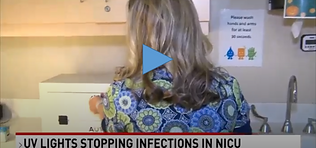
Biggest Change
The biggest change since this video was posted is the The UV Box is now readily available. Chemical-free, safe mobile device disinfection up to 99.999% in 55-seconds.


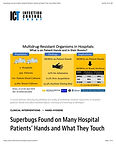
USA Today Gives Visibility to the Cell Phone Cross-Contamination Problem
According to a March 5th article in the USA Today...
“Mobile phones have become veritable reservoirs of pathogens as they touch faces, ears, lips and hands of different users of different health conditions,” researchers said in a 2009 study of bacteria removed from personal phones.
A study by the University of Arizona found the typical worker’s desk, which tends to be your smartphone’s home for about 40 hours a week, has hundreds of times more bacteria per square inch than an office toilet seat.
Other studies have found serious pathogens on smartphones such as Streptococcus, MRSA – a type of bacteria that is resistant to several antibiotics – and even E. coli.
The Centers for Disease Control and Prevention estimates 80 percent of all infections are transmitted by hands, and our smartphones have basically become an extension of that."
Going beyond the article in terms of solutions, The UV Box from AUVS remains the system of choice in more than 100 hospital groups and healthcare organizations based on:
-
Efficacy – Up to 99.995%, 4.5 log disinfection of MRSA and C.diff spores - and up to 99.999%, 5.25 log disinfection or Norovirus - all in just 55 seconds
-
Ease of Use – One-button operation
-
Flexibility – An enclosure size than can handle more than just cell phones
-
Economy – A one-time cost that produces no wast product
The USA-designed-and-made UV Box is also moving into the Food Processing, Foodservice, Education, Transportation, Travel & Leisure Industries, among others.

Hand Hyigene Plus
Patients know how dirty cell phones and tablets are: the subject is covered in all major media.
AUVS' Hand Hygiene Plus program delivers a one-two punch directly addressing the problem AND your patient's concerns.
Hand Hygiene Plus:
1) Provides a proven line of defense against germs and cross-contamination with The UV Box and 55-second disinfection!
2) Helps your hospital deliver a visible message about your commitment to providing a safer environment.
To learn more click or call: 716-525-2127

NEWSFLASH - Feb 7, 2019
Latest independent lab test results show The UV Box delivers 5.25 log, 99.999% disinfection of norovirus on handheld devices including tablets and smartphones in just 55 seconds.
Southeast Hospital Group
Picks The UV Box

NEWSFLASH - Dec. 15, 2018
AUVS' Germicidal enclosure, The UV Box, has been selected as the group-wide Mobile Handheld Device disinfection system for a 14 hospital group in the southeast - More information to follow,
AUVS Germicidal Enclosure, The UV Box, Protecting Hospital's Youngest Patients
Virginia Hospital Puts The UV Box on front line in Neonatal Intensive Care Unit (NICU).

AUVS Releases List of Recent UV Box
Hospital Installations
Hospitals across the US are adding The UV Box to the Hand Hygiene Bundle.
See List...

Medical-Quality Disinfection Targets Mobile Devices
in the Food Processing and Foodservice Industries
The UV Box Targets Mobile devices that come in close contact with food, processing and serving
Read More...

AUVS Technology & Applications:
Infection Prevention in the News
Scroll for Latest News Stories
US at tipping point for return of endemic measles
April 24, 2025 - The United States is at a tipping point for the return of endemic measles a quarter century after the disease was declared eradicated in the country, researchers warned on Thursday. At current U.S. childhood vaccination rates, measles could return to spreading regularly at high levels with an estimated 851,000 cases over the next 25 years.

U.S. measles cases grow by 25% in one week,
as total reaches 378
March 24, 2025 Bllomberg - US measles cases grew by 25% in a week to reach 378 this year, adding to an outbreak that has already outpaced last year’s total.
As of March 20, 2025, a total of 378 confirmed measles cases were reported by 18 jurisdictions: Alaska, California, Florida, Georgia, Kansas, Kentucky, Maryland, Michigan, New Jersey, New Mexico, New York City, New York State, Ohio, Pennsylvania, Rhode Island, Texas, Vermont, and Washington.
Winter Strategies for Infection Preventionists
in Managing Recent Norovirus and Avian Influenza Outbreaks
Jan.27, 2025 - Norovirus and avian influenza outbreaks require infection preventionists to enhance hygiene, train staff, implement PPE use, and ensure effective disinfection to protect health care workers, patients, and facilities.
Wolters Kluwer Health 2025 Predictions Report
In 2025, hospitals facing IP shortages will increasingly turn to technology to bridge the gap. Platforms that provide continuous surveillance with more automated tools for reporting will give IPs more time to focus on HAI reduction while helping to prevent burnout.
To shed light on anticipated trends, challenges and opportunities in healthcare technology. in 2025, leading experts from Wolters Kluwer Health offer their outlook across a variety of topics in the 25 for ‘25 predictions report.
The combined application of ultrasound and UVC have the potential to control mature Listeria monocytogenes and Bacillus subtilis biofilms
November, 2024 - The UVC treatments, both in combination with Ultrasound and alone, were highly effective at the tested intensity (i.e. 12 mW/cm2) and exposure times, achieving reductions of ≥4 log in the studied microorganisms. Thus, reductions of ≥4 log were attained for all three stages of biofilm formation and all studied microorganisms with UVC alone, using exposure times of 20 s, or with 15 s of UVC combined with US. The application of disintegration technologies, in this study US, demonstrated to be effective, enhancing lethality when combined with UVC.
Maximizing the Potential of UV-C Technology
to Reduce Health Care-Associated Infections
August 20, 2024 - Effective implementation of UV-C disinfection is crucial to reducing HAIs. The Providence Holy Cross Medical Center achieved a 19% reduction in multidrug-resistant HAIs and saved $1.2 million through strategic deployment, highlighting the importance of collaboration and innovative management. Their results were achieved through innovative program management and a clear assignment of roles among the hospital leadership, the service providers, and the technology providers.

Shown on the left are untreated Streptococcus pyogenes bacteria. After treatment with the compound, the dish is full of dead bacteria (image on right).
Potential drug effective against flesh-eating bacteria
August 2, 2024 -Researchers at Washington University School of Medicine in St. Louis have developed a novel compound that effectively clears bacterial infections in mice, including those that can result in rare but potentially fatal “flesh-eating” illnesses. The potential drug could be the first of an entirely new class of antibiotics and a gift to clinicians seeking more effective treatments against bacteria that can’t be tamed easily with current antibiotics.
The team named their new family of compounds GmPcides (for gram-positive-icide) This study focused on one pathogen, Streptococcus pyogenes, which is responsible for 500,000 deaths every year globally, including flesh-eating disease. Mice infected with S. pyogenes and treated with a GmPcide fared better than did untreated animals in almost every metric. They had less weight loss, the ulcers characteristic of the infection were smaller, and they fought off the infection faster.
The compound appeared to reduce the virulence of the bacteria and, remarkably, speed up postinfection healing of the damaged areas of the skin.
I
C.diff update the latest news and research
Having an Infectious Disease Provider Follow C diff Patients
Reduces Hospital Admission for Recurrence
.jpeg)
July 29, 2024 - This study highlighted that IDS oversight led to better clinical outcomes, with fewer patients receiving unnecessary antibiotics, and more efficient utilization of hospital resources.
Making C diff a Nationally Notifiable Infectious Disease and Condition
A bill in the House of Representatives was just introduced with the advocacy of the Peggy Lillis Foundation in hopes of bringing more recognition and research to the healthcare-associated infection.
Reducing Unnecessary C diff Tests Aids in Diagnostic Stewardship Overtreatment
A Florida hospital takes a novel approach for the healthcare-associated infection and reduced inappropriate testing by setting up guidelines.
May 30, 2024 - UV light with a wavelength of 222 nm is still effective at killing pathogens, It turns oxygen in the air into ozone. Ozone itself can be concerning, and it is also highly reactive with other chemicals in the air and creates new secondary compounds.
After analyzing their results collected over two weekends — one with ventilation and one without — they found that the 222 nm UV light was producing enough ozone to react with chemicals in the air. The byproducts included formaldehyde, volatile organic compounds and nanoparticles.
Further research will be done to determine how dangerous these pollutants can be to indoor environments.
Results show 222nm UV was producing ozone to react with chemicals in the air
COVID-19 is on the rise with wide-ranging symptoms
July 8, 2024 - The number of COVID-19 infections in New Jersey has nearly doubled the number over early June. In New York City, rates have risen by about 250% from the previous two months. While COVID-19 infection numbers are still relatively low compared to the numbers during peak infection, new variants of the coronavirus -- called FLIRT variants -- have found a way to evade immunity.

AUVS’ ‘The UV Box’ is Only 2-Time Honoree Among Best Infection Prevention Products
National – For the second consecutive year The UV Box from Advanced Ultraviolet Systems (AUVS) has been named to Newsweek’s list of Best Infection Prevention Products.
The UV Box is the only Germicidal Enclosure so honored.
Compiled by Newsweek in association with The Leapfrog Group, an independent non-profit organization that evaluates healthcare quality, the list is based on nominations by actual hospital users.
Each product is evaluated based on:
-
Effectiveness
-
Safety (for patients and healthcare workers)
-
Successful real-world implementation
-
Company stability
