
EMERGENCY DEPARTMENT SOLUTION
THE MISSING CONTROL POINT
Could personal belongings and mobile devices represent an overlooked CDI entry point in your hospital?
Why this matters now...
The Epidemiology of CDI Is Changing
Recent CDC surveillance suggests the epidemiology of Clostridioides difficile infection (CDI) is changing in ways that may have important implications for hospital infection prevention.
According to the CDC Emerging Infections Program, community-associated CDI now represents more than half of the measured CDI burden in participating surveillance sites.
In 2024:
-
Community-associated CDI: 67.4 cases per 100,000 population
-
Healthcare-associated CDI: 57.0 cases per 100,000 population
As more patients arrive from the community—including long-term care facilities—with symptomatic infection or asymptomatic C. difficile colonization, hospitals face increasing opportunities for contamination to enter patient-care environments before enhanced infection prevention measures are initiated.
As community-associated CDI represents an increasing share of the national burden, evaluating environmental control points during patient admission may help strengthen existing infection prevention strategies by reducing opportunities for environmental contamination before enhanced infection prevention measures are initiated.
WHERE DO PATIENTS PERSONAL BELONGINGS and MOBILE DEVICES FIT WITHIN YOUR EXISTING INTAKE WORKFLOW?
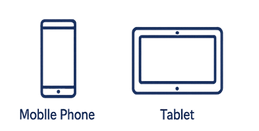
Patients—particularly those in long-term care—often arrive with personal belongings including mobile phones, tablets, and other items that accompany them throughout their care journey.
Unlike environmental surfaces, these items travel continuously through registration, triage, treatment areas, imaging, inpatient units, and discharge.
Question for Consideration
Do you currently have a standardized, consent-based process for offering disinfection of patients' personal belongings before they enter the care environment?

Scroll down and click to download the
"LTC Transfer Vector" Executive Brief
A POTENTIALLY UNCONTROLLED INTAKE PATHWAY
Patients' mobile devices do not typically fall within environmental services protocols, medical equipment disinfection procedures, or patient isolation workflows. As a result, personal belongings including mobile phones, tablets, and other items may be addressed inconsistently across departments, care settings, and shifts.
Footwear
Purse
Question for Consideration
If a patients' personal belongings may be contaminated with pathogens such as C.diff spores, where in your intake workflow is
that risk addressed?



For Consideration
Did you know?
The UV Box complements existing infection prevention practices by providing a voluntary, consent-based disinfection step for patient-owned electronics and personal belongings. It helps reduce opportunities for environmental contamination from frequently handled personal items introduced into patient-care environments.
"Hand Hygiene Addresses Hands.
The UV Box Addresses What Hands Touch."
The UV Box
A Defined Mobile Device Control Point
The UV Box creates a designated location within Emergency Department workflows for addressing patient mobile devices before they move throughout the facility.
C.diff spores enter hospitals primarily in the ER, on patients especially long-term care patients through their personal phones and other mobile devices. Alcohol wipes do not kill C.diff and bleach or hydrogen peroxide void phone warranties. AUVS' UV Box solves the problem with 99.99% C.diff spores reduction in 55 seconds and no phone damage. Field proven over 10 years, our installed units have completed millions of cycles with zero product complaints or returns for phone damage.
Now your ED can have The UV Box to disinfect C.diff before it gets into the hospital.
